
Beyond the Books: Mastering Finnish Intonation
Beyond the Books: Mastering Finnish Intonation for Natural Sounding Conversations
Have you ever listened to native Finnish speakers and wondered how they sound so effortlessly natural? It’s often more than just mastering vocabulary and grammar; it’s about understanding the subtle melody of the language. This isn't about dramatic vocal acrobatics, but rather an appreciation for the unique rhythm and intonation that makes Finnish truly sing. To truly connect, it’s time to go Beyond the Books: Mastering Finnish Intonation for Natural Sounding Conversations. Join us as we explore how these subtle sound patterns are deeply woven into the fabric of Finnish culture, offering a unique bonus for language learners eager to sound more authentic.
The Quiet Harmony: Intonation in Finnish Communication
Finnish culture is often characterized by a respectful appreciation for directness, honesty, and a comfortable silence. Unlike some cultures where enthusiastic vocal inflections might dominate, Finnish communication often prioritizes clarity and understated delivery. This isn't to say Finnish lacks emotion, but rather that it's expressed with a different kind of nuance, and intonation plays a quiet, yet crucial, role in this.
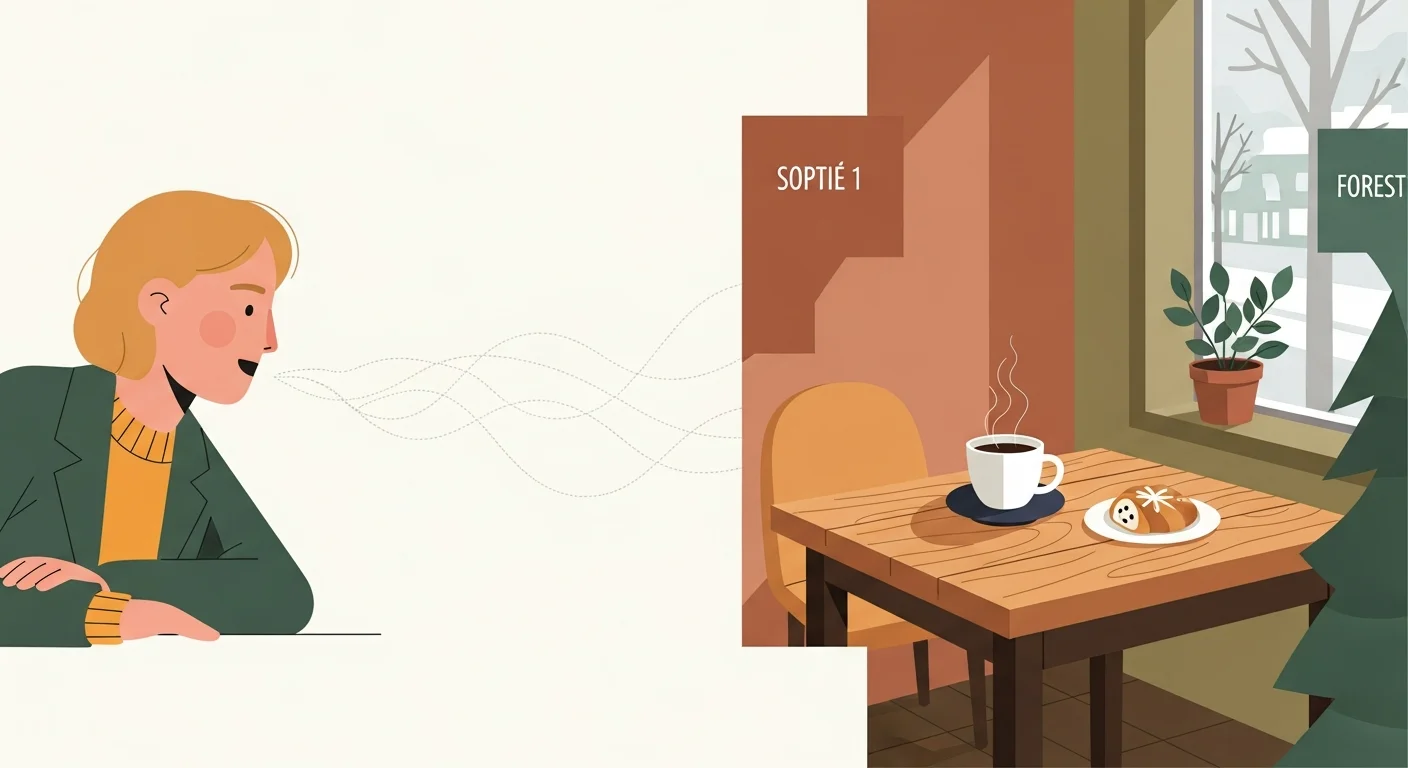
Imagine a peaceful Finnish forest, where sounds are clear but not overwhelming. This often mirrors the rhythm of Finnish speech. Conversations flow with a certain evenness, where word stress is primarily on the first syllable – a reliable rule that helps in pronunciation. However, sentence-level intonation, the rising and falling of your voice across a sentence, carries crucial information. For instance, questions might end with a slight, subtle upward inflection, but it’s far less pronounced than in English or Spanish. Misunderstanding these subtle shifts can lead to your questions sounding like statements, or vice versa, inadvertently creating conversational hiccups. It's in these understated melodies that the Finnish spirit of communication truly resides – clear, unembellished, and deeply sincere.

The Echo of Sisu: Intonation and Finnish Identity
The concept of sisu, that unique Finnish blend of resilience, perseverance, and quiet determination, isn't just a national trait; it subtly permeates the way Finns speak. There's a certain steadfastness in the language's rhythm, a lack of overt theatricality that reflects a culture valuing substance over show. The intonation often remains relatively flat compared to many other languages, but within that "flatness" lies a world of precision. It’s about placing emphasis accurately on the correct syllable, distinguishing between similar-sounding words, and letting the directness of the vocabulary carry the primary weight of the message. This means paying close attention not to how high or low your voice goes, but how consistently and accurately you pronounce each syllable.
This characteristic rhythm contributes to the perceived clarity and efficiency of Finnish speech. To master this, you're not just learning sounds; you're internalizing a piece of Finnish identity, understanding how Finns convey meaning and emotion in a way that respects the listener and values clear, unambiguous communication. It’s about finding the natural cadence that feels right for the language, allowing your words to flow with the same quiet confidence that defines much of Finnish life.
🇫🇮 Language Corner / Kielinurkka
To truly engage in natural-sounding conversations, moving Beyond the Books: Mastering Finnish Intonation for Natural Sounding Conversations requires listening and mimicking. Focus on how Finns pronounce words and sentences, especially the first-syllable stress and the subtle overall flow. While Finnish isn't a "tonal" language, mastering its "musicality" will make your speech far more authentic.
Useful Phrases
Here are a few phrases to practice, focusing on that crucial first-syllable stress and subtle sentence melody:
- Mitä kuuluu? - How are you? (Notice the stress on the first syllable of "kuuluu" and a very slight lift at the end for the question.)
- Hyvää kuuluu, kiitos. - I'm fine, thank you. (Stress on "vää" and a neutral, slightly falling tone at the end.)
- Onko se toista totta? - Is that really true? (Stress on "tois" and a question intonation that is subtle.)
- En ymmärrä. - I don't understand. (Stress on "ym" with a clear, direct delivery.)
- Olen opettelemassa suomea. - I am learning Finnish. (Stress on "op" and a neutral, informative tone.)
Vocabulary / Sanasto
Focus on pronouncing these words with the primary stress on the very first syllable, a cornerstone of Finnish pronunciation.
| Finnish | English | Example |
|---|---|---|
| ääntäminen | pronunciation | Hänen ääntämisensä on selkeää. |
| sävelkulku | intonation | Suomen sävelkulku on melko tasaista. |
| rytmi | rhythm | Kielen rytmi on tärkeä osa puhumista. |
| ääni | sound / voice | Hänellä on miellyttävä ääni. |
| puhua | to speak | Haluan puhua suomea sujuvasti. |
| kuunnella | to listen | On tärkeää kuunnella tarkkaavaisesti. |
| hiljaisuus | silence | Suomalaiset arvostavat hiljaisuutta. |
Cultural Insight
Did you know that Finns often use silence as a form of communication? It's not necessarily awkward, but rather an indication of thoughtful consideration or a comfortable shared presence. Interrupting these moments with excessive verbal filler or overly dramatic intonation can sometimes be perceived as less genuine. Embracing the natural pauses and the unhurried pace of Finnish conversation is as important as mastering its sounds.
Conclusion
Stepping Beyond the Books: Mastering Finnish Intonation for Natural Sounding Conversations is an enriching journey into both language and culture. By tuning your ear to the subtle melodies and rhythms of Finnish, you're not just improving your pronunciation; you're gaining a deeper understanding of the Finnish way of communicating – direct, honest, and quietly profound. So, keep listening, keep practicing, and don't be afraid to embrace the unique soundscape of Finland. Your efforts will not only lead to more natural-sounding conversations but also a more genuine connection with Finnish people and their beautiful language. Hyvää matkaa! (Have a good journey!)
References
- Finland.com: The Importance of Intonation in Finnish Language
- Visit Finland: Culture & Lifestyle
- This Is Finland: Finnish Silence
Related Topics
Finnish Pronunciation Guide, Learning Finnish Grammar, Finnish Communication Styles, Cultural Nuances in Language Learning, Sisu and Finnish Culture
Ready to start learning?