Beyond 'Minun': Unlocking Possessive Suffixes in Finnish
Beyond 'Minun': Unlocking Possessive Suffixes in Finnish
Hei kaikki! Are you fascinated by the concise beauty of the Finnish language? Perhaps you've already mastered "minun" (my) and "sinun" (your), but are you ready to dive deeper into a linguistic feature that truly defines Finnish expression? Welcome to the world of possessive suffixes – small, powerful additions that not only make your Finnish sound more natural but also offer a unique window into Finnish culture and how Finns perceive ownership and connection. Join us on a journey Beyond 'Minun': Unlocking Possessive Suffixes in Finnish, and discover a grammar point that's less about rules and more about embracing a way of thinking.
A Cultural Embrace of Conciseness and Connection
Finnish culture is often characterized by a certain directness and a deep appreciation for efficiency – qualities that are beautifully mirrored in its language. While many European languages rely on separate possessive pronouns (like "my book," "your house"), Finnish often integrates possession directly into the noun itself through suffixes. This isn't just a grammatical quirk; it's a reflection of a cultural inclination towards conveying meaning succinctly and with an inherent sense of belonging. Imagine talking about your home, your sauna, or your family; in Finnish, these suffixes forge an immediate, almost inseparable bond between the owner and the owned, making the language feel more personal and immediate.
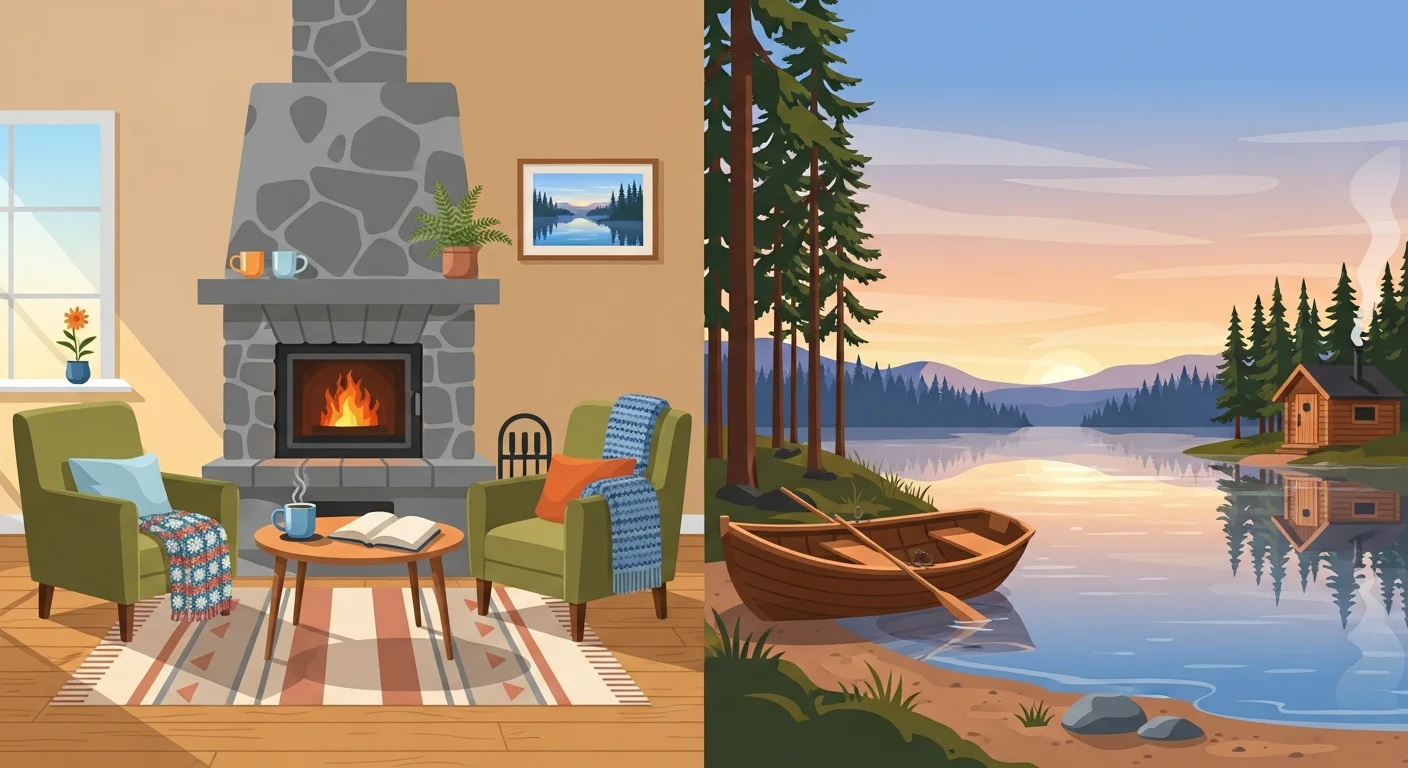
This linguistic trait can be seen in how Finns value their personal space and belongings. Whether it’s their summer cottage (mökki), their beloved sauna, or even their role within a community, there’s a strong sense of ownership and connection. When a Finn says "kotini" (my home), it’s not just an address; it’s a personal sanctuary, a place of peace and quiet (rauha ja hiljaisuus). This deep personal connection extends to their hobbies, nature, and even abstract concepts. The suffix subtly reinforces that bond, making the language feel more intimate and precise.
The Finnish Way of Belonging: From Sauna to Family
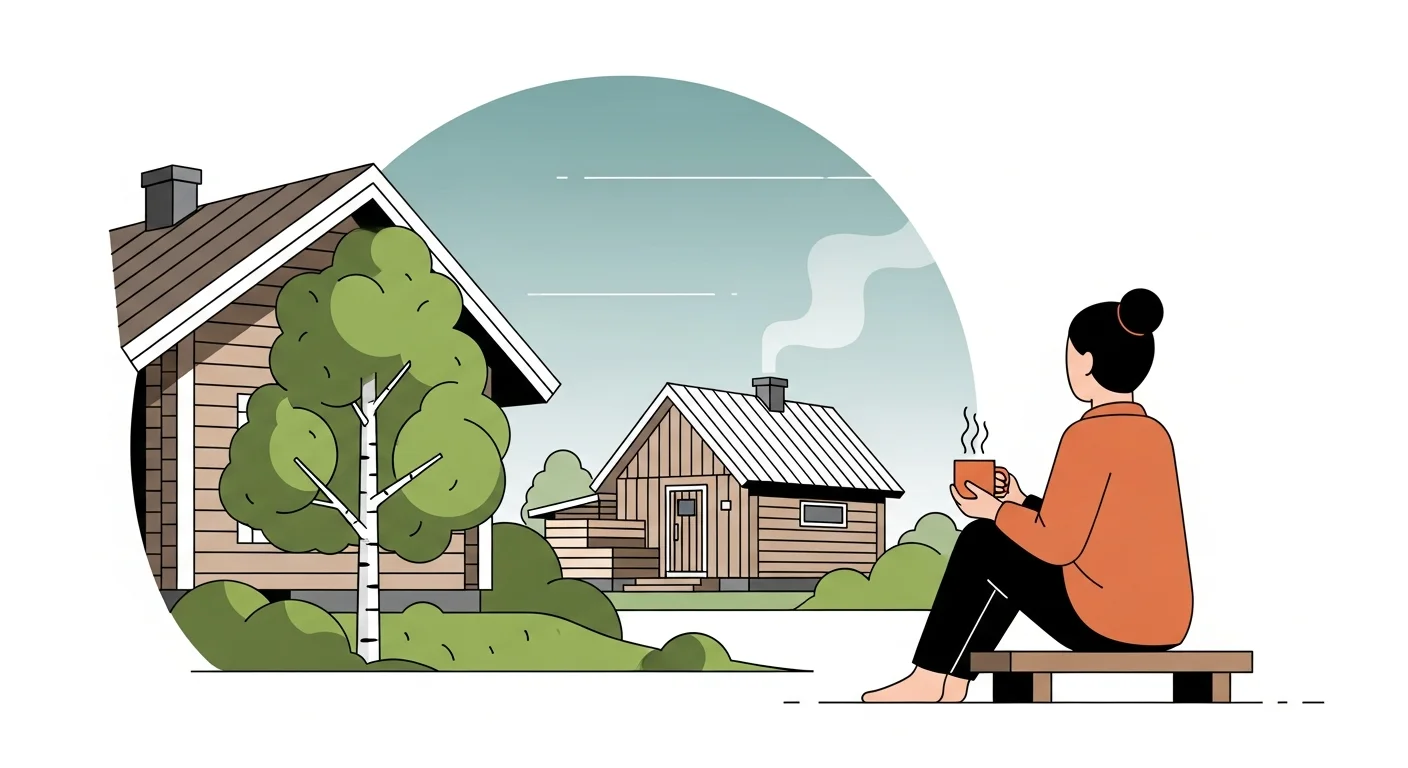
In Finland, possession isn't always about ownership in the material sense; it's also about relationships and an inherent sense of belonging. Take the sauna, for instance. It's more than just a room; it's a sacred space, deeply ingrained in Finnish identity and daily life. You wouldn't just say "the sauna"; you might say "saunani" (my sauna) if you're referring to your own, expressing a personal connection to this essential part of Finnish wellness. This extends to family members too: "äitini" (my mother) or "isäsi" (your father) are common and natural ways to refer to parents, illustrating the close-knit family ties often found in Finnish society.
This linguistic characteristic also highlights the Finnish emphasis on personal responsibility and self-reliance. When you refer to "työni" (my work) or "velvollisuuteni" (my duty), the suffix intrinsically links the action or concept directly to the individual, underscoring a culture where personal accountability is highly valued. It's a subtle but powerful way the language shapes and reflects cultural norms, fostering a sense of individual agency within the larger collective. This isn't to say Finns don't appreciate community; rather, it suggests a healthy balance between individual strength and communal support.
🇫🇮 Language Corner / Kielinurkka
Beyond 'Minun': Unlocking Possessive Suffixes in Finnish can seem tricky at first, but once you grasp the pattern, it opens up a new level of fluency and cultural understanding. These suffixes attach directly to the end of a noun, changing based on the "owner." This makes Finnish incredibly concise, often eliminating the need for separate possessive pronouns like 'minun' (my) or 'sinun' (your).
Useful Phrases
Here are some key phrases that demonstrate possessive suffixes in action, connecting you more deeply to Finnish expression:
- Kotini on täällä. - My home is here.
- Mitä kuuluu perheellesi? - How is your family? (literally: "What belongs to your family?")
- Missä on kirjani? - Where is my book?
- Odotan ystäväämme. - I'm waiting for our friend.
- Hänen autonsa on uusi. - His/Her car is new.
Vocabulary / Sanasto
Let's look at some common nouns and how they change with possessive suffixes, focusing on the first person singular ("my").
| Finnish (Base Form) | English (Base Form) | Example with Suffix (-ni for "my") |
|---|---|---|
| koti | home | Kotini (My home) |
| sauna | sauna | Saunani (My sauna) |
| kirja | book | Kirjani (My book) |
| auto | car | Autoni (My car) |
| lapsi | child | Lapseni (My child) |
| perhe | family | Perheeni (My family) |
| ystävä | friend | Ystäväni (My friend) |
| työ | work | Työni (My work) |
Note: The suffix changes based on the vowel harmony of the word and the person (my, your, his/her, our, your (pl), their). The most common suffixes are -ni (my), -si (your), -nsa/-nsä (his/her/its), -mme (our), -nne (your pl.), -nsa/-nsä (their).
Cultural Insight
Did you know that the use of possessive suffixes extends beyond just nouns? They can also attach to participles and infinitives, creating even more nuanced and concise expressions. For example, "lukiessani" means "while I was reading," beautifully condensing a phrase into a single word. This exemplifies the Finnish language's impressive capacity for agglutination, where multiple grammatical elements are combined into a single word, making it highly efficient. This compact way of speaking reflects a culture that values clarity and avoiding unnecessary words.
Conclusion
Stepping Beyond 'Minun': Unlocking Possessive Suffixes in Finnish is more than just a grammar lesson; it's an invitation to understand the heart of Finnish communication. It’s about appreciating the conciseness, directness, and deep personal connection embedded within the language. By mastering these small but mighty suffixes, you’ll not only sound more authentic but also gain a deeper appreciation for Finnish culture – its values of belonging, personal space, and efficient expression. So, embrace the suffixes, practice them, and let them guide you closer to the Finnish way of life. Hyvää matkaa! (Have a good journey!)
References
Related Topics
Finnish Grammar, Finnish Pronouns, Finnish Vocabulary, Cultural Nuances, Language Learning Tips, Suomi Language
Ready to start learning?