
Puhekieli vs. Kirjakieli: Sound Like a Real Finn

Puhekieli vs. Kirjakieli: Your First Steps to Sounding Like a Real Finn
Ever listened to Finns chatting amongst themselves and then tried to match it to what you learned in your textbook, only to find them completely different? You’re not alone! Welcome to the fascinating, sometimes frustrating, but ultimately rewarding world of puhekieli (spoken Finnish) and kirjakieli (written Finnish). Understanding this distinction isn't just about grammar; it's a vital cultural key to truly connecting with Finns and their unique way of communicating. This guide is Puhekieli vs. Kirjakieli: Your First Steps to Sounding Like a Real Finn, and it’s designed to help you bridge that gap.
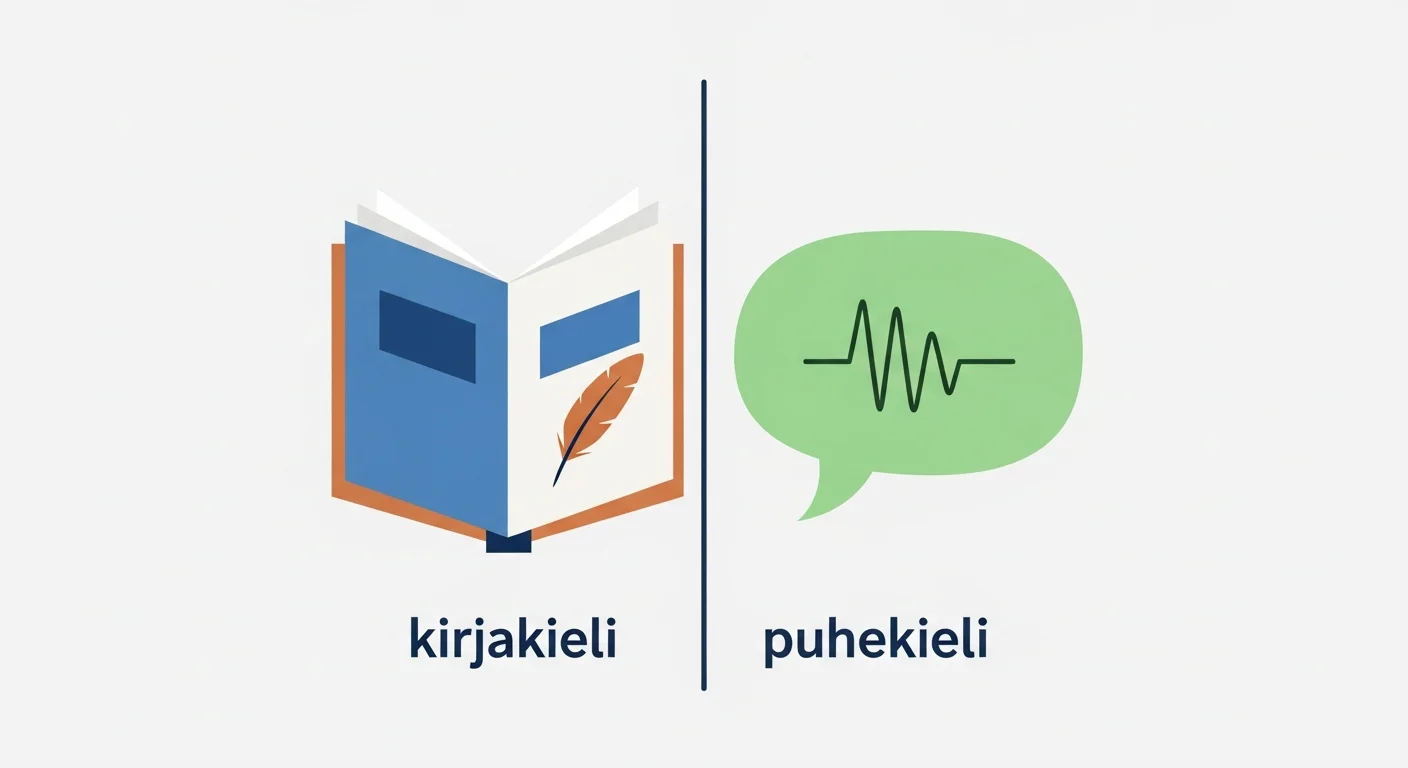
At its heart, the difference between puhekieli and kirjakieli is a reflection of Finnish society itself: pragmatic, direct, and efficient. While kirjakieli adheres strictly to grammatical rules and is used in formal writing, news, literature, and official documents, puhekieli is the vibrant, ever-evolving language of everyday life, friendships, and casual conversation. It's where Finnish truly comes alive, often simplifying forms, shortening words, and adopting a more relaxed rhythm. To sound like a real Finn, embracing puhekieli is essential.
The Dual Nature of Finnish: A Cultural Deep Dive
Finnish culture highly values authenticity and directness. This is perhaps best exemplified in how Finns navigate their language. Kirjakieli, or "book language," is the standardized, formal Finnish that was codified through centuries of linguistic work, notably by figures like Mikael Agricola in the 16th century and Elias Lönnrot in the 19th century. It provides a stable, unambiguous form for official communication, education, and literature, ensuring clarity and precision across the nation.
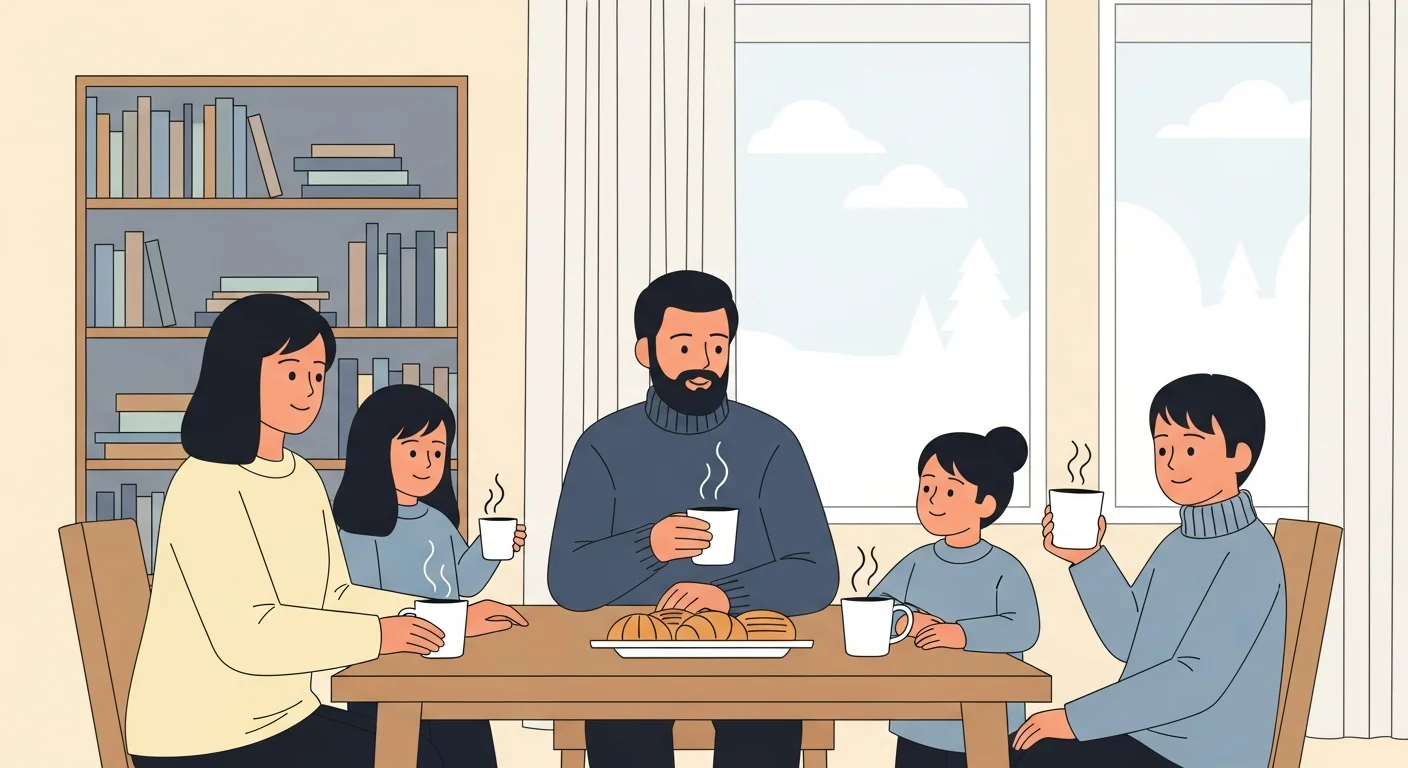
However, beneath this formal veneer thrives puhekieli, the "spoken language." This isn't merely slang; it's a naturally evolved, regionally varied, and constantly adapting form of Finnish that reflects the informal, unpretentious nature of everyday interactions. Imagine the difference between a formal academic paper and a lively chat with friends over coffee – that's the essence of kirjakieli vs. puhekieli. Finns effortlessly switch between these two registers, often without conscious thought, depending on the context and company.
Using kirjakieli in a casual setting with friends can make you sound stiff, overly formal, or even a bit humorous, as if you're delivering a monologue rather than participating in a conversation. Conversely, attempting to use puhekieli in a formal speech or written essay would be considered unprofessional and inappropriate. This cultural awareness of when and how to deploy each form is deeply ingrained from childhood. Children learn puhekieli naturally through their environment and then are taught kirjakieli in school. It's a linguistic dance, subtle yet significant, that dictates social nuances and conveys respect for the situation. The fluency in this duality is a hallmark of truly understanding Finnish communication.
Navigating the Unwritten Rules of Conversation
The shift from kirjakieli to puhekieli isn't just about grammar; it's about a cultural mindset. Finns appreciate efficiency in communication, and puhekieli often strips away perceived redundancies. This directness, sometimes misinterpreted by outsiders as bluntness, is a core Finnish trait, often linked to the concept of sisu – a blend of perseverance, grit, and courage. It’s about getting to the point without unnecessary frills. This pragmatic approach means less time on elaborate greetings or formalities, and more focus on the actual message.
Consider a casual encounter at a Finnish cafe. You wouldn't hear "Hyvää päivää, kuinka voin auttaa teitä?" (Good day, how may I help you?) from the barista unless they were being overtly formal. Instead, it would likely be a more concise "Mitä saisi olla?" (What would you like?) or even just "Mitä?" with an upward inflection. This isn't rude; it's simply efficient. Understanding these unspoken rules of brevity and directness is crucial for anyone hoping to integrate into Finnish social circles. Embracing puhekieli allows you to tap into this cultural current, showing that you understand and respect their way of communicating.
🇫🇮 Language Corner / Kielinurkka
Now that we've explored the cultural landscape, let's dive into some practical puhekieli transformations. The goal here isn't to master every nuance, but to take your first steps towards sounding more natural. Remember, consistency in your informal communication is key to being understood and accepted by locals.
Useful Phrases
Here are a few common phrases that change significantly in puhekieli:
- Mitä kuuluu? - What's up? (Literally: "What is heard?" - Kirjakieli)
- Mitä kuuluu? (Often pronounced
Mitä kuuluuor justMitä?in puhekieli)
- Mitä kuuluu? (Often pronounced
- Minä en tiedä. - I don't know. (Kirjakieli)
- Mä en tiiä. - I don't know. (Puhekieli)
- Hän on tullut. - He/She has come. (Kirjakieli)
- Se on tullu. - He/She has come. (Puhekieli)
- Me menemme kauppaan. - We are going to the store. (Kirjakieli)
- Me mennään kauppaan. - We are going to the store. (Puhekieli)
- Onko sinulla nälkä? - Are you hungry? (Kirjakieli)
- Onks sulla nälkä? - Are you hungry? (Puhekieli)
Vocabulary / Sanasto
The biggest changes often occur in pronouns and verb endings. Here's a small table to illustrate some key transformations:
| Finnish (Kirjakieli) | English | Example (Puhekieli) |
|---|---|---|
| minä | I | Mä oon menossa kotiin. (I'm going home.) |
| sinä | you (sg.) | Sä voit tulla mukaan. (You can come along.) |
| hän | he/she | Se nukkuu vielä. (He/She is still sleeping.) |
| me | we | Mei ei oo aikaa. (We don't have time.) |
| te | you (pl.) | Tei kannattaa mennä. (You should go.) |
| he | they | Ne puhuu ruotsia. (They speak Swedish.) |
| olla (verb 'to be') | to be | Se on hyvä. (It is good.) (Often on becomes o or drops in some contexts, but on is very common in puhekieli too). |
| -vat/-vät (verb ending for they) | - (they do) | Ne syö. (They eat.) (Instead of He syövät) |
Notice how minä becomes mä, sinä becomes sä, and hän becomes se (which usually means "it" in kirjakieli but is commonly used for people in puhekieli). The plural pronouns me, te, and he often get shortened or softened, too. Verb endings like the third-person plural -vat/-vät are frequently simplified to just -t or even dropped altogether, so he syövät (they eat) becomes ne syö. These simplifications make puhekieli quicker and more fluid.
Cultural Insight
Did you know that Finns often consider using full kirjakieli in a very casual, friendly conversation to be almost comically formal? It would be akin to using Shakespearean English to order a burger! While perfectly grammatically correct, it can create a social distance that Finns typically avoid in informal settings. Learning a few puhekieli forms is a sign of respect and willingness to engage authentically.
Conclusion
Navigating the world of puhekieli and kirjakieli is more than a linguistic exercise; it's a journey into the heart of Finnish culture and communication. While kirjakieli provides the foundation, puhekieli offers the nuance, the warmth, and the authentic rhythm of everyday Finnish life. By taking these first steps to understand and even try out some puhekieli phrases, you're not just learning a language; you're unlocking a deeper connection with Finland and its wonderful people. So, go ahead, embrace the casual, direct, and wonderfully efficient world of puhekieli – your first steps to sounding like a real Finn!
References
- YLE Oppiminen: Kielikoulu – Puhekieli vs. Kirjakieli
- Uusi Kielemme: Spoken vs. Written Finnish
- Finnish Teacher: Spoken Finnish vs. Written Finnish: How to tell the difference?
- Visit Finland: Basic Phrases in Finnish
Related Topics
Finnish Pronunciation, Finnish Slang, Finnish Etiquette, Learning Finnish Online, Finnish Culture Shock
Ready to start learning?