
Cracking the Code: Finnish Street Signs for Navigation
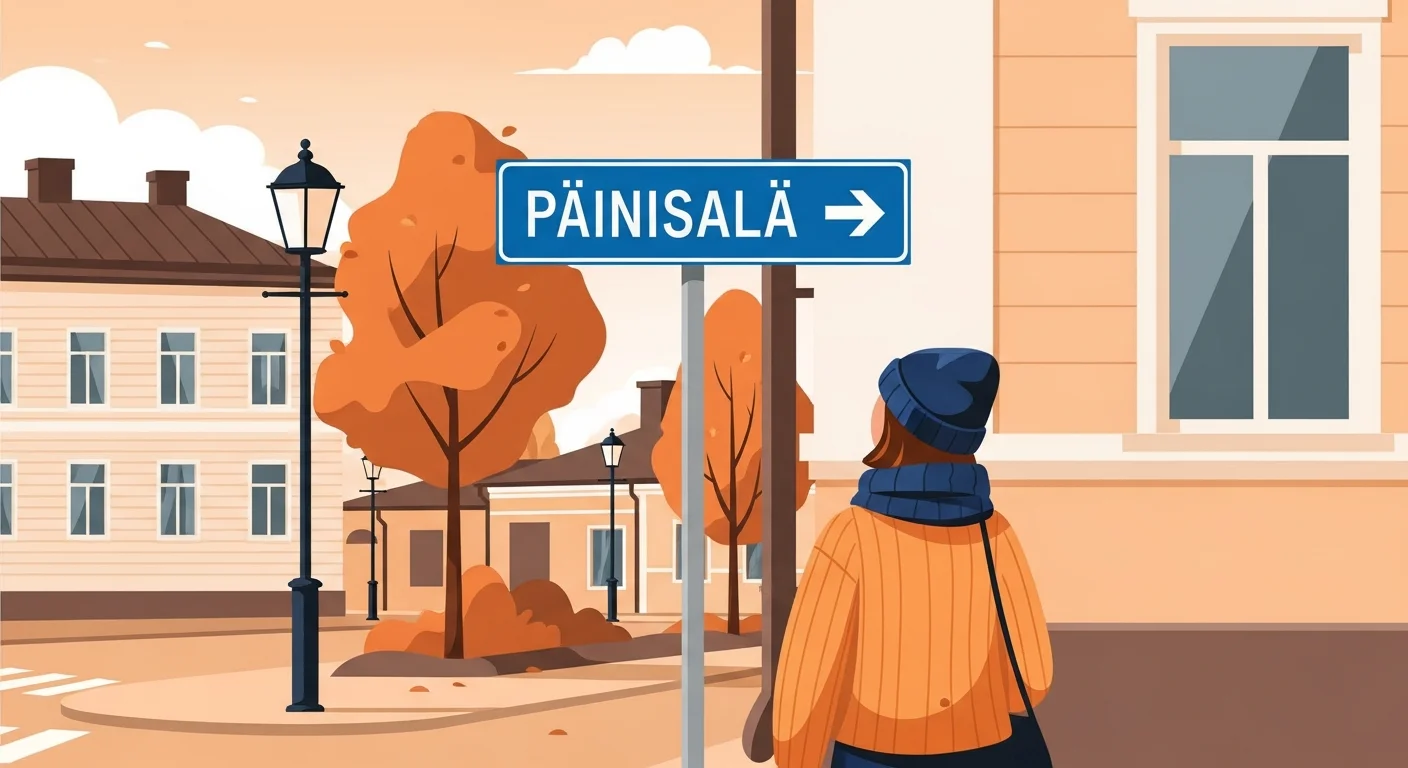
Cracking the Code: Decoding Finnish Street Signs for Confident Navigation
Navigating a new city can be daunting, especially when the street signs are in a language you're still learning! But fear not! "Cracking the Code: Decoding Finnish Street Signs for Confident Navigation" will equip you with the essential knowledge to confidently explore Finnish towns and cities. This guide will help you understand the key vocabulary and cultural context behind Finnish street signage, transforming you from a lost tourist into a savvy explorer.
Core Lesson Section 1
Finnish street signs, like most, use a combination of names, numbers, and symbols. The most common type of street sign displays the street name itself. These are often blue with white text. However, knowing a few key words can unlock a wealth of information. The most basic distinction to understand is between different types of roads:
- tie – road
- katu – street
- kuja – alley
- polku – path
For example, you might see a sign reading "Mannerheimintie" which translates to "Mannerheim Road." Seeing "Esplanadi" is also common which is often written as "Esplanadikatu", meaning "Esplanadi Street". "Kuja" signifies a smaller alleyway, and "polku" indicates a path, often for pedestrians or cyclists.
It's also important to understand cardinal directions which are often included on signs, especially at junctions indicating which way a road travels:
- Pohjoinen – North
- Etelä – South
- Itä – East
- Länsi – West
So, a sign might say "Mannerheimintie – Etelä" meaning "Mannerheim Road - South," indicating that the road southwards is Mannerheimintie. Pay attention to the case endings, as they change depending on the context (e.g., pohjoiseen meaning "to the north").

Core Lesson Section 2
Beyond the basic road names, you'll also encounter signs indicating services, restrictions, and points of interest. For instance, understanding signs related to parking is crucial:
- Pysäköinti – Parking
- Maksullinen pysäköinti – Paid parking
- Pysäköintikielto – No parking
Pay close attention to any additional information presented on the sign. These could include time restrictions, days of the week when the restriction is in place, or permits required. Look for the words arkisin (weekdays), lauantaisin (Saturdays), and sunnuntaisin (Sundays). The times the regulation is in place will also be written on the sign.
Another important sign is kävelykatu, which signifies a pedestrian street or zone. Cars are usually prohibited or heavily restricted in these areas. Keep your eye out for bus and tram stops! These will typically be clearly marked with a blue sign bearing the letter 'P' for pysäkki (stop).
Key Phrases / Hyödyllisiä ilmauksia
- Missä on lähin pysäkki? — Where is the nearest stop?
- Onko täällä pysäköinti maksullista? — Is parking paid here?
- Mikä katu tämä on? — What street is this?
- Anteeksi, miten pääsen… ? — Excuse me, how do I get to…?
- Se on tuolla. — It is over there.
- Käänny vasemmalle/oikealle. - Turn left/right.
- Mene suoraan eteenpäin. - Go straight ahead.
Vocabulary / Sanasto
| Finnish | English | Example |
|---|---|---|
| Tie | Road | Pitkä tie |
| Katu | Street | Helsinginkatu |
| Kuja | Alley | Salainen kuja |
| Pysäkki | Stop | Bussipysäkki |
| Pysäköinti | Parking | Ilmainen pysäköinti |
| Keskusta | City center | Menen keskustaan |
| Risteys | Intersection | Vaarallinen risteys |
| Liikennevalot | Traffic lights | Pysähdy liikennevaloihin |
| Kävelykatu | Pedestrian street | Kävelemme kävelykadulla |

🇫🇮 Cultural Context / Kulttuuritausta
Finns generally appreciate directness and clarity. Street signs are usually concise and to the point. Asking for directions is common and people are usually happy to help, but try to be polite by starting with "Anteeksi" (Excuse me). Public transportation is very reliable in most Finnish cities, so familiarizing yourself with bus and tram routes can be invaluable. Don't be afraid to ask for help – Finns are often more helpful than their reserved demeanor might suggest!
Quick Practice / Harjoitus
- You see a sign that says "Mannerheimintie – Pohjoinen". What does this mean?
- You want to park your car, but you see a sign that says "Pysäköintikielto". Can you park there?
- You are walking and see the sign "kävelykatu." Can cars drive here?
Conclusion
"Cracking the Code: Decoding Finnish Street Signs for Confident Navigation" is your first step toward navigating Finland like a local. By understanding the key vocabulary and cultural context, you can confidently explore Finnish cities and towns. Keep practicing and expanding your vocabulary, and you'll soon be interpreting even the most complex Finnish signs!
References
Ready to start learning?