
Sano se Suomeksi! Daily Chores Vocabulary
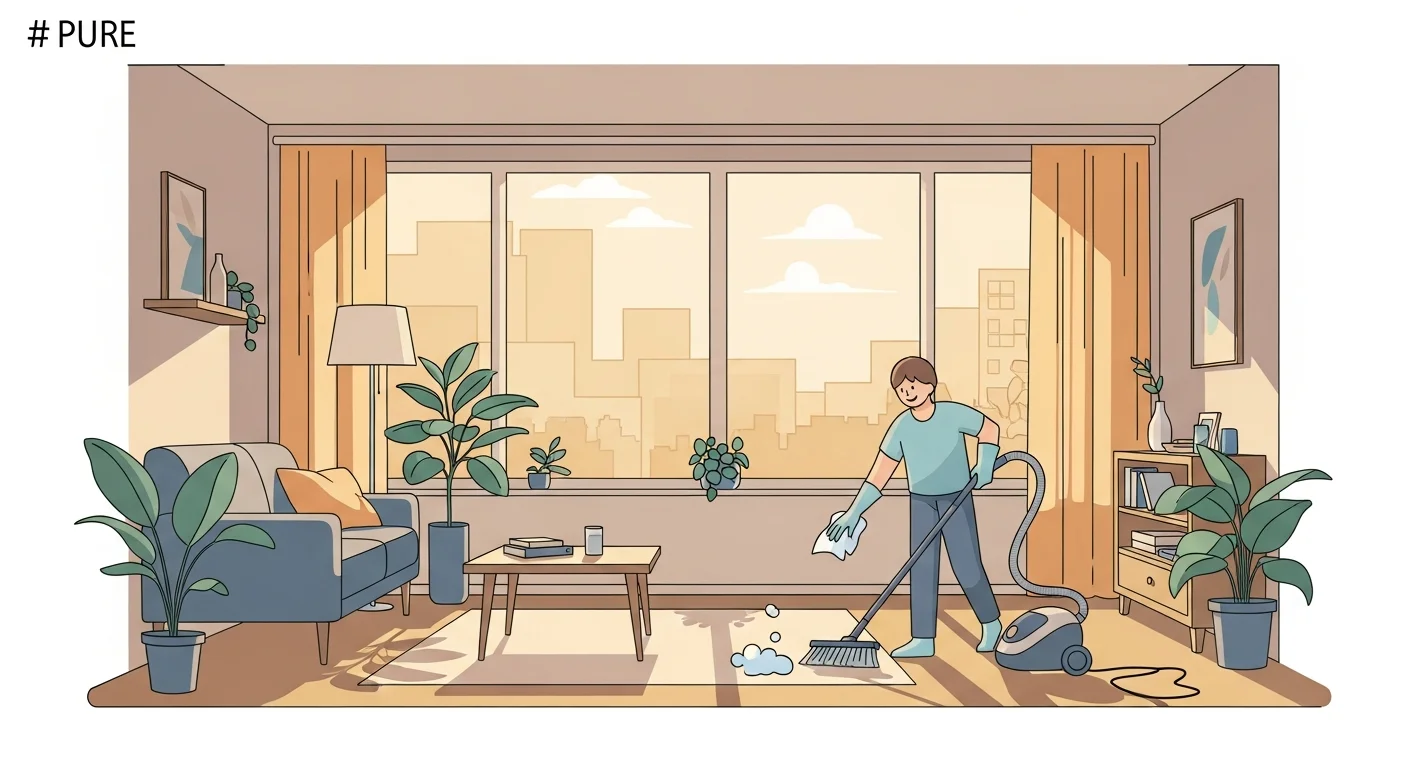
Sano se Suomeksi! Level Up Your Daily Chores Vocabulary
Learning a new language is about more than just grammar rules; it's about connecting with daily life. And what's more daily than chores? In this lesson, we’ll help you sano se Suomeksi! and level up your vocabulary related to everyday cleaning and household tasks. You'll be ready to talk about your chores like a true Finn!
Core Lesson Section 1
Let's start with some basic verbs. In Finnish, verbs are the engine of the sentence. Mastering these core verbs will allow you to express a wide range of actions. We'll focus on the infinitive form of the verb, which is the "to do" form. The infinitive in Finnish always ends in -da or -dä. Pay close attention to the difference between a and ä – it affects the pronunciation!
For example:
- Siivota – To clean
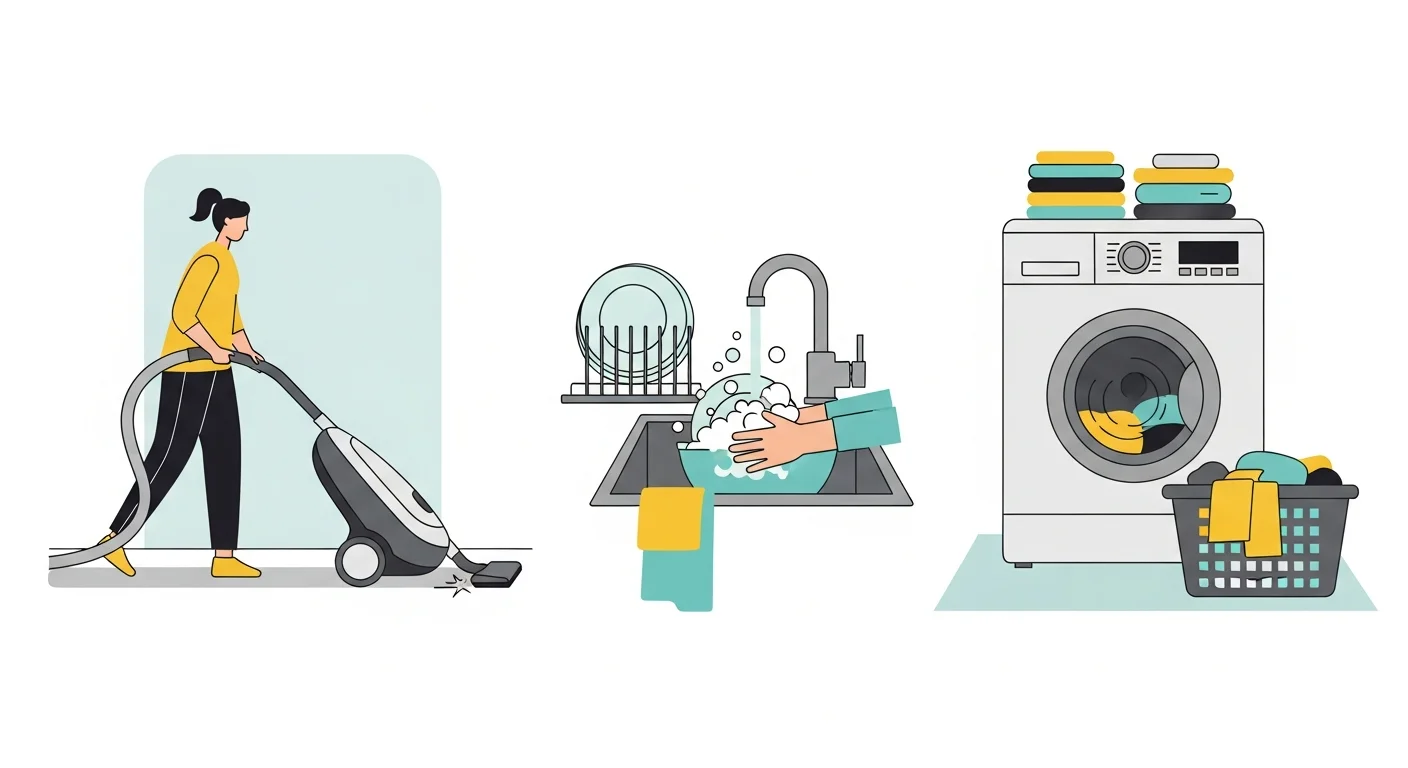
- Tiskata – To do the dishes
- Pestä – To wash
- Imuroida – To vacuum
Notice the pattern? Once you know the infinitive form, you can conjugate it to express who is doing the action. For example, Minä siivoan means "I clean." We'll get to conjugation later, but for now, focus on recognizing the infinitive. Remember, Sano se Suomeksi! is all about practical application.
Core Lesson Section 2
Now, let's expand our vocabulary with some more specific chore-related words. These are nouns that will help you describe what you're cleaning or using. Think of these as the tools and targets of your cleaning adventures!
Remember that Finnish has a reputation for being difficult, but with focused practice, you can quickly build a useful vocabulary. For even more Finnish language practice, check out resources like Yle.
Key Phrases / Hyödyllisiä ilmauksia
- Minun täytyy siivota. — I need to clean.
- Tiskaatko sinä tänään? — Are you doing the dishes today?
- Missä on moppi? — Where is the mop?
- Imuroin eilen. — I vacuumed yesterday.
- Autatko minua pesemään pyykkiä? — Will you help me do the laundry?
- Laita roskat ulos. — Take out the trash.
- Onko sinulla aikaa siivota kylpyhuone? — Do you have time to clean the bathroom?
Vocabulary / Sanasto
| Finnish | English | Example |
|---|---|---|
| Siivota | To clean | Minä siivoan keittiön. (I clean the kitchen.) |
| Tiskata | To do the dishes | Hän tiskaa astiat. (He/She does the dishes.) |
| Pyykki | Laundry | Pesen pyykkiä. (I am washing laundry.) |
| Roskat | Trash | Viemme roskat ulos. (We take out the trash.) |
| Moppi | Mop | Tarvitsen mopin. (I need a mop.) |
| Imuroida | To vacuum | Imuroin olohuoneen. (I vacuum the living room.) |
| Kylpyhuone | Bathroom | Siivoan kylpyhuoneen. (I clean the bathroom.) |
| Keittiö | Kitchen | Keittiö on likainen. (The kitchen is dirty.) |
| Pöly | Dust | Pyyhin pölyt. (I wipe the dust.) |
| Pesuaine | Detergent | Lisää pesuainetta. (Add detergent.) |

🇫🇮 Cultural Context / Kulttuuritausta
In Finland, cleanliness and tidiness are highly valued. Many Finns take pride in maintaining their homes, and helping with chores is often seen as a shared responsibility within the family. Don't be surprised if you're offered (or expected!) to help with cleaning up after a meal or activity when visiting a Finnish home. Also, many apartment buildings have designated laundry rooms that are shared among residents. Knowing how to talk about chores in Finnish will not only help you in your daily life but also show respect for Finnish customs.
Furthermore, spring cleaning (kevätsiivous) is a common tradition in Finland, where people thoroughly clean their homes after the long winter months.
Quick Practice / Harjoitus
- How would you say "I am doing the dishes" in Finnish?
- Translate: Minun täytyy imuroida huomenna.
- Imagine you are asking a friend to help you with laundry. What would you say?
Conclusion
Congratulations! You've taken a big step in expanding your Finnish vocabulary and learning how to sano se Suomeksi! when it comes to daily chores. Keep practicing these words and phrases, and soon you'll be chatting about cleaning like a native Finn. For further learning, consider exploring online Finnish courses or language exchange partners. Keep practicing, and remember, every small step counts!
References
Ready to start learning?