
Is It *Minä* or *Minut*? Demystifying Finnish Pronoun Forms
Is It Minä or Minut? Demystifying Finnish Pronoun Forms
Are you struggling to figure out when to use minä, sinä, minut, or sinut? You're not alone! Finnish pronouns can be tricky for language learners. This lesson will break down the essential forms of Finnish pronouns in a way that’s easy to understand, helping you confidently use them in everyday conversations. Learning the difference between these forms is a crucial step in mastering Finnish grammar and expressing yourself accurately.
Core Lesson Section 1
Let's start with the basics: the nominative (nominatiivi) and accusative (akkusatiivi) cases of the personal pronouns "I" and "you" in Finnish. These are the most common forms you'll encounter when first learning the language.
- Minä means "I." It's used when you are the subject of the sentence, meaning you are performing the action.
- Sinä means "You." Similar to minä, it is used when you are the subject of the sentence.
- Minut means "Me." It's used when you are the object of the sentence, meaning the action is being done to you.
- Sinut means "You." It's the object form, used when the action is being done to you.
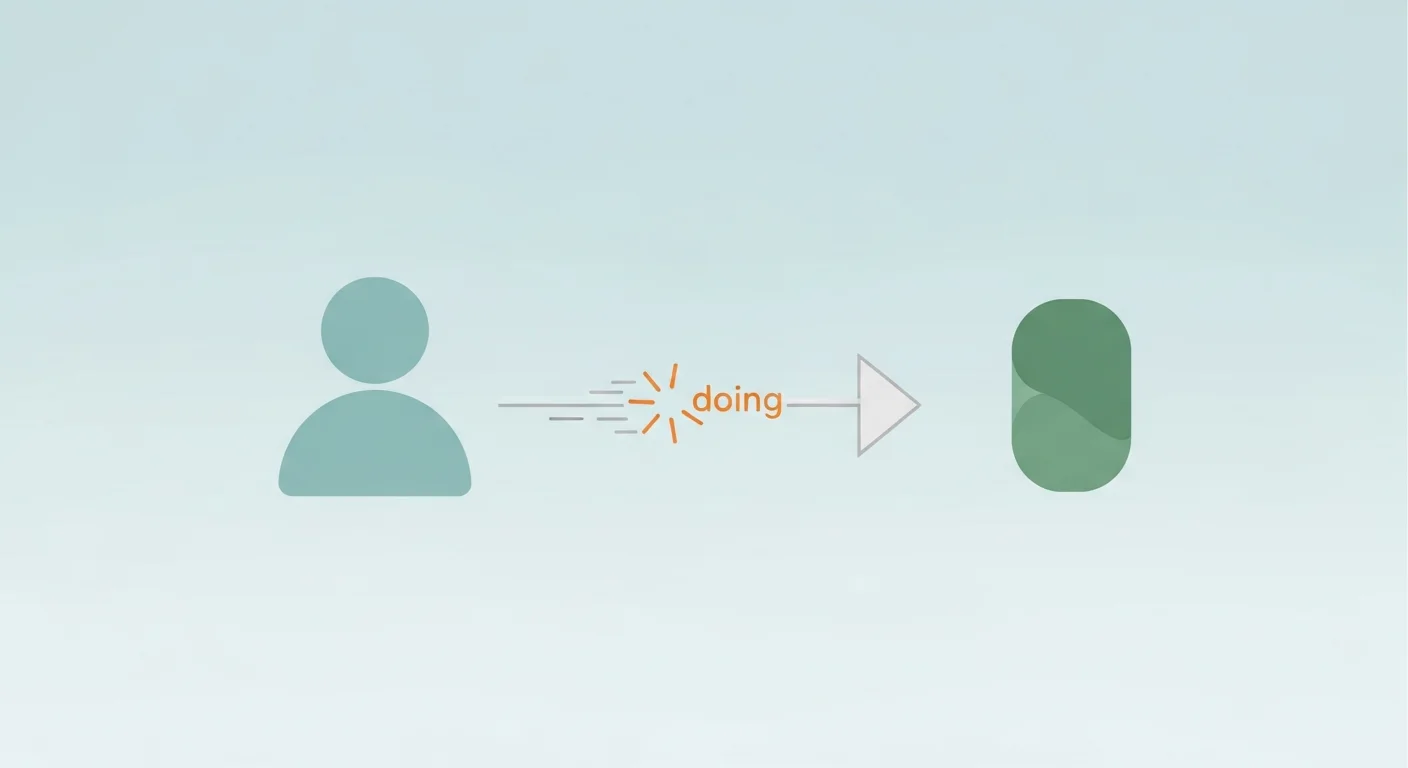
Think of it this way: if you're doing something, use minä or sinä. If something is being done to you, use minut or sinut.
Here are some examples:
- Minä olen opiskelija. — I am a student.
- Sinä olet ystäväni. — You are my friend.
- Hän näkee minut. — He sees me.
- Hän rakastaa sinut. — He loves you.
Core Lesson Section 2
Now, let's delve a bit deeper. In Finnish, the accusative and genitive cases are identical except for personal pronouns where the accusative is used instead of the genitive for the total object. This is because of the evolution of the Finnish language.
Here's how it works with our "I" and "you" pronouns:
- If the verb takes a genitive case (often indicating possession or completeness), and the object is "me" or "you", you'll use minut or sinut.
Let's look at some more examples:
- Hän auttaa minut mielellään. — He helps me willingly. (Helping is being done to me)
- Äiti rakastaa sinut aina. — Mother loves you always. (Love is directed towards you)
- Tarvitsen sinut. - I need you.
It's important to note that the partitive case (partitiivi) is used for partial objects, ongoing actions, or indefinite quantities. We won't cover that in detail here, but it's something to keep in mind as you continue your Finnish studies.
Key Phrases / Hyödyllisiä ilmauksia
- Minä puhun suomea. — I speak Finnish.
- Sinä olet taitava. — You are skilled.
- Näetkö minut? — Do you see me?
- Kuulen sinut. — I hear you.
- Minä rakastan Suomea. — I love Finland.
- Sinä asut Helsingissä. — You live in Helsinki.
Vocabulary / Sanasto
| Finnish | English | Example |
|---|---|---|
| minä | I | Minä olen iloinen. |
| sinä | You | Sinä olet ystävällinen. |
| minut | Me | Hän auttaa minut. |
| sinut | You | Hän ymmärtää sinut. |
| puhua | To speak | Minä puhun englantia. |
| rakastaa | To love | Minä rakastan jäätelöä. |
| nähdä | To see | Minä näen sinut. |
| kuulla | To hear | Minä kuulen musiikkia. |
| ymmärtää | To understand | Minä ymmärrän sinut. |
| auttaa | To help | Minä autan sinua. |

🇫🇮 Cultural Context / Kulttuuritausta
In Finnish culture, directness is valued. Using the correct pronoun forms demonstrates respect and clarity in your communication. While Finns appreciate efforts to speak their language, using the wrong pronoun can sometimes lead to confusion (though they will likely be patient with learners!).
Also, remember that Finnish has a sinuttelu/teitittely distinction. Sinuttelu is the informal "you" (sinä), used with friends and family. Teitittely is the formal "you" (te), used with strangers or in formal situations. Knowing when to use each shows cultural sensitivity.
Quick Practice / Harjoitus
- Complete the sentence: "____ olen suomalainen." (I am Finnish). Should you use minä or minut?
- Translate: "I see you." (Minä näen _____). Should you use sinä or sinut?
- You want to say "You are welcome." to a close friend. Would you construct the sentence using "sinä" or "te"?
Conclusion
Congratulations! You've taken a significant step towards mastering Finnish pronouns. Understanding the difference between minä and minut (and sinä and sinut) is fundamental to building your Finnish language skills. Keep practicing, and don't be afraid to make mistakes – that's how you learn! Next, consider studying the other Finnish cases, such as the partitive and genitive.
References
Ready to start learning?