Finnish Place Names: Decode the Landscape & Learn!
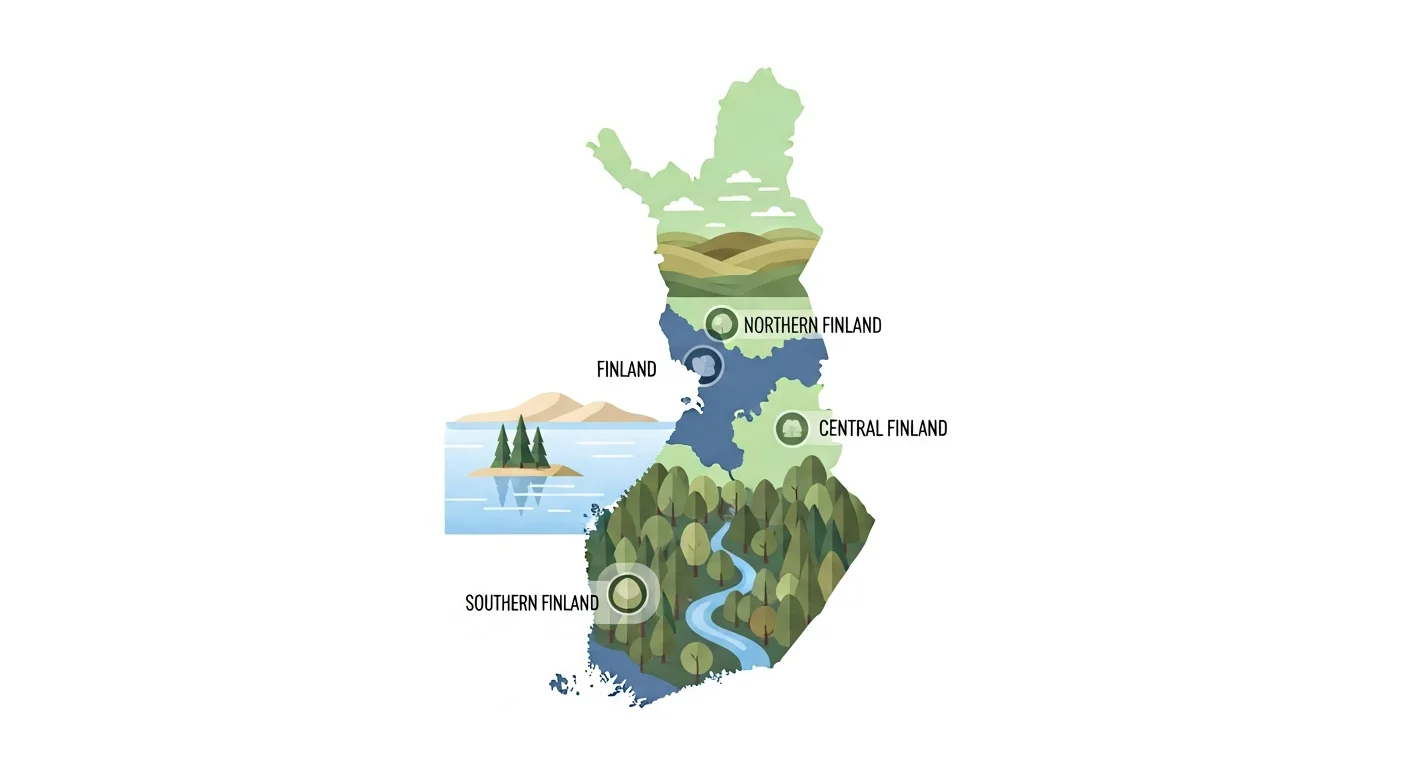
Finnish Place Names: Decode the Landscape (and Learn Vocabulary!)
Have you ever looked at a map of Finland and wondered what those place names really mean? Knowing the meaning of place names is a fantastic way to immerse yourself in Finnish language and culture. It not only expands your vocabulary but also gives you unique insights into Finnish history, geography, and way of life. This lesson is designed for Finnish language learners at the A1-A2 level, so let’s start decoding!
Unveiling the Secrets of Finnish Place Names
Finnish place names often describe the landscape. Many words used in these names are related to natural features like lakes, forests, hills, and islands. Recognizing these recurring elements will significantly boost your vocabulary and make understanding Finnish much easier. For example, you'll often see "järvi" (lake), "mäki" (hill), or "saari" (island) as part of a place name. Let's dive into some common elements and examples.
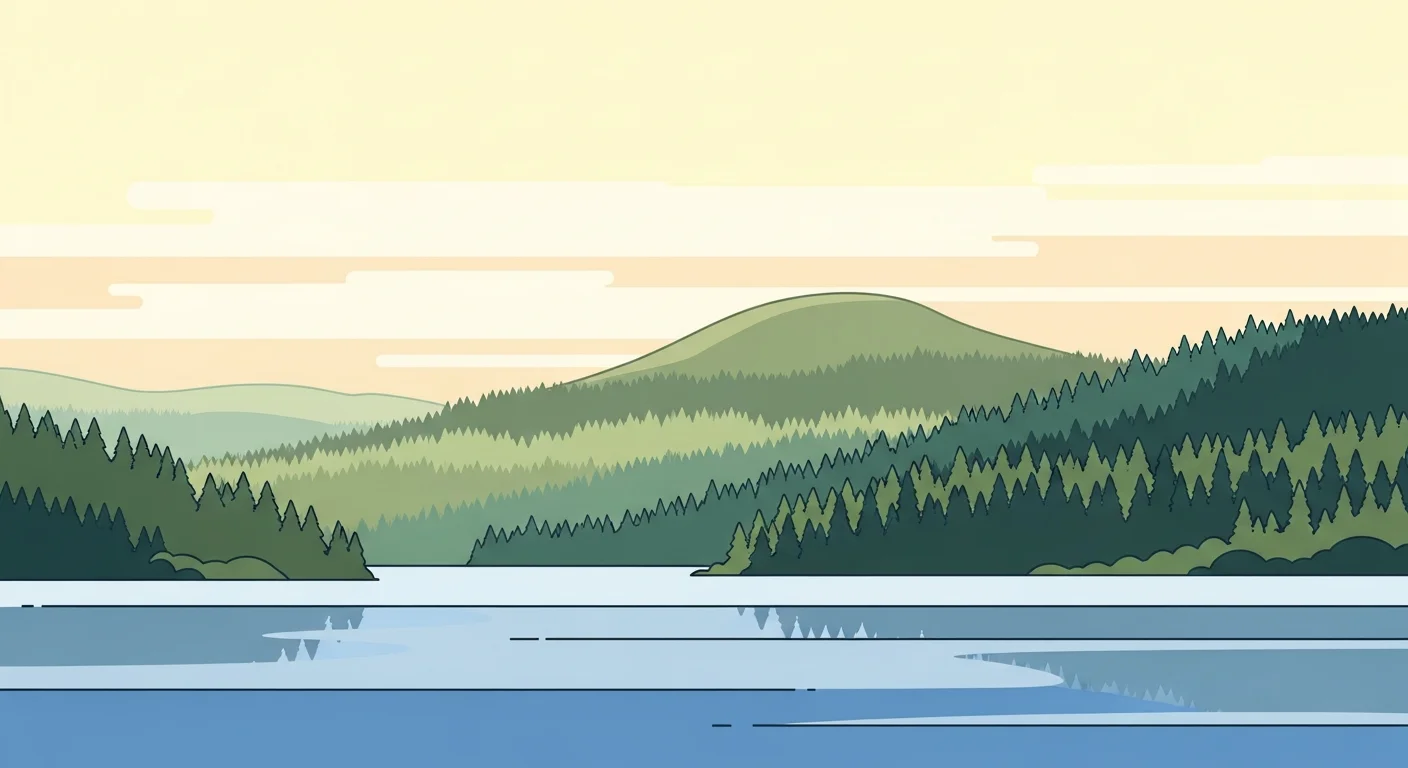
Common Elements in Place Names
Here are some of the most frequent words you'll encounter in Finnish place names, along with examples to illustrate their usage:
Lakes (Järvet)
The word "järvi" (lake) is incredibly common. You'll find it combined with other words to describe characteristics of the lake.
- Isojärvi – Iso means "big," so Isojärvi translates to "Big Lake."
- Pienijärvi – Pieni means "small," thus Pienijärvi means "Small Lake."
- Saimaa - The largest lake in Finland and a prime example of Finnish natural beauty.
Hills (Mäet)
"Mäki" (hill) is another frequent element. Just like with lakes, you'll see adjectives describing the hill.
- Korkeamäki – Korkea means "high," so Korkeamäki means "High Hill."
- Mustamäki – Musta means "black," so Mustamäki means "Black Hill".
- Taivaskero - A fell in Lapland that's name derives from "kero" meaning bare topped fell, and "taivas" meaning sky.
Islands (Saaret)
"Saari" means island.
- Suursaari – Suuri means "big," so Suursaari means "Big Island."
- Pihlajasaari – Combines "pihlaja" (rowan tree) and "saari" (island), thus it means "Rowan Island."
- Lauttasaari - "Lauta" means raft or ferry, suggesting an island accessible by raft.
Key Phrases / Hyödyllisiä ilmauksia
Here are a few useful phrases related to asking about and understanding place names:
- Mitä tämä nimi tarkoittaa? — What does this name mean?
- Onko se lähellä järveä? — Is it near a lake?
- Se on kaunis paikka. — It is a beautiful place.
- Mistä nimi tulee? — Where does the name come from?
- Tämä paikka on kuuluisa. — This place is famous.
Vocabulary / Sanasto
| Finnish | English | Example |
|---|---|---|
| Järvi | Lake | Saimaa on Suomen suurin järvi. (Saimaa is Finland's largest lake.) |
| Mäki | Hill | Se on korkea mäki. (It is a high hill.) |
| Saari | Island | Ahvenanmaa on saaristo. (Åland is an archipelago.) |
| Metsä | Forest | Suomi on täynnä metsiä. (Finland is full of forests.) |
| Joki | River | Kemijoki on pitkä joki. (Kemijoki is a long river.) |
| Pieni | Small | Pieni talo. (A small house.) |
| Suuri | Big | Suuri kaupunki. (A big city.) |
| Kaunis | Beautiful | Kaunis maisema. (A beautiful landscape.) |
| Ranta | Shore/Beach | Hiekkaranta on kesällä suosittu. (The sandy beach is popular in the summer.) |
| Kivi | Stone/Rock | Rannalla on paljon kiviä. (There are a lot of rocks on the shore.) |
🇫🇮 Cultural Context / Kulttuuritausta
Finnish connection to nature is deeply ingrained in their culture, and place names are a testament to this relationship. Many Finns have a strong connection to their home region and are proud of its unique natural features. Place names often carry historical significance, reflecting past events or traditional uses of the land. For instance, names might refer to old hunting grounds, fishing spots, or even mythological figures. Understanding these names provides a deeper appreciation for Finnish cultural identity. For example, many Finnish surnames also originate from aspects of nature.
Quick Practice / Harjoitus
Let's test your knowledge!
- What do you think "Pitkäjärvi" might mean? (Pitkä means "long.")
- If you saw a sign for "Valkosaari," what would you expect to see there? (Valkoinen means "white.")
(Answers: 1. Long Lake, 2. White Island)
Conclusion
Learning Finnish place names is a fun and effective way to expand your vocabulary and gain a deeper understanding of Finnish culture. By recognizing common elements like järvi, mäki, and saari, you can unlock the secrets of the Finnish landscape. Keep exploring, and soon you'll be decoding place names like a pro! Next, try learning about Finnish surnames and their origins to further understand Finnish culture and history!
References
Ready to start learning?